





Salesforce Manufacturing Cloud Consulting & Implementation

We set up Salesforce Manufacturing Cloud around the way you already sell. Your agreements and forecasts end up in one place, where sales and operations can both see them. After go-live, we stay on to help.

Years in Business
7+
Certified Consultants
50+
Projects Delivered
550+
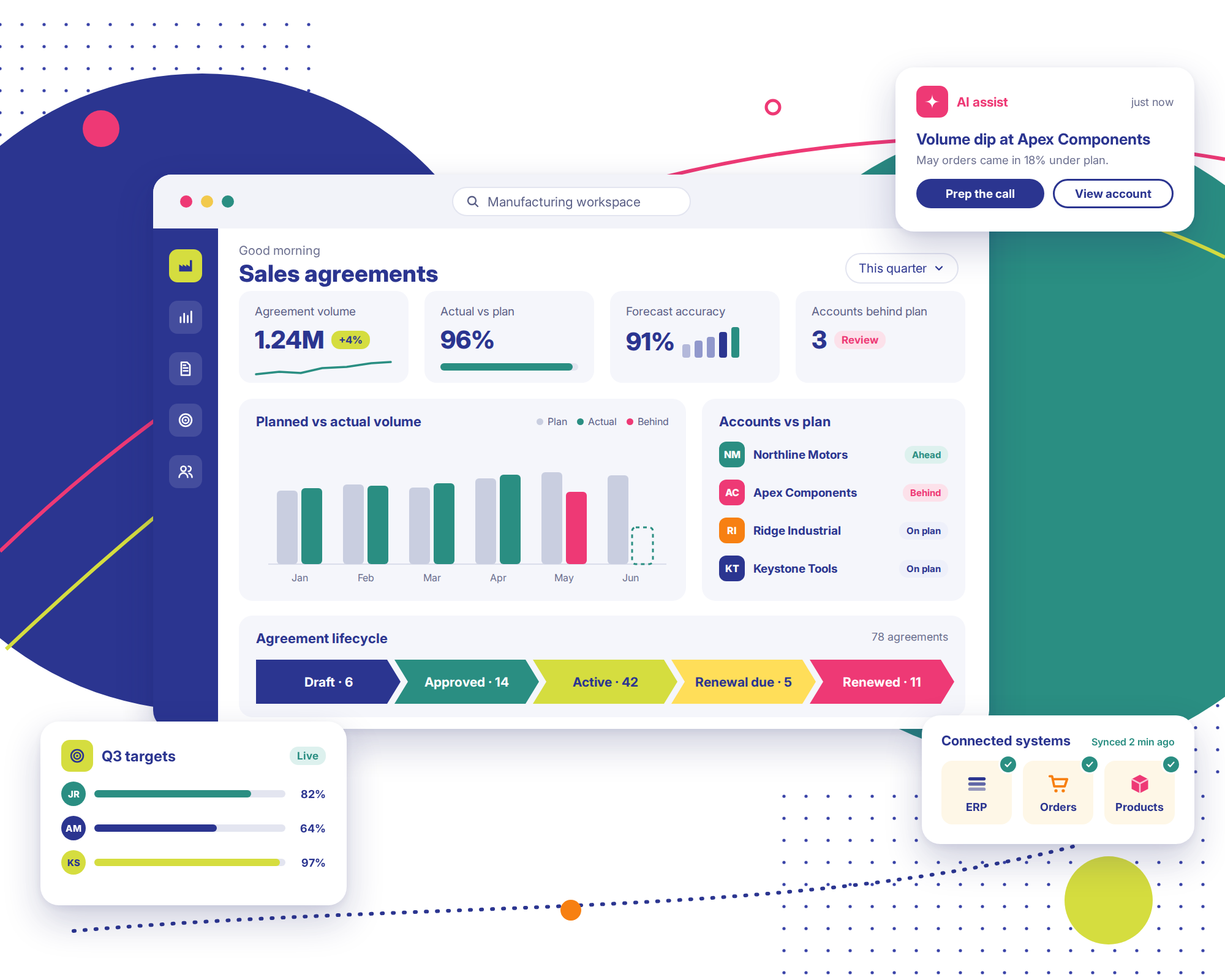
Manufacturing Cloud sales agreements workspace: agreement volume, actual vs plan and forecast accuracy metrics, planned vs actual volume by month, accounts vs plan, an agreement lifecycle, Q3 account manager targets, connected ERP, order and product systems and an AI alert on a volume dip

Trusted by Enterprise Teams as a Salesforce Consulting Partner

Logos of Texas Instruments, American Express, Fiserv, Autodesk, Target, Honeywell, Dell and Delta Air Lines have worked with Stack Intelligence on Salesforce.

Salesforce Manufacturing Cloud Challenges We Help Manufacturers Solve

Ask a manufacturing sales team where their numbers live and you'll get a few different answers. Here's where that usually starts to hurt.

  • Limited Visibility Into Long-Term Customer Agreements

    Say a customer committed to 40,000 units for the year. How many have they actually ordered? Someone has to pull ERP data into a spreadsheet to find out. Often the gap only shows up near quarter end.

  • Sales Forecasts Do Not Reflect Changing Customer Demand

    Every account manager has a forecast, usually in a personal spreadsheet. Some update it every week. Others haven't touched theirs since spring. When a big customer cuts orders, the forecast is the last place anyone sees it.

  • Sales and Operations Work With Different Information

    Sales promises a big order next quarter. Operations is planning off last month's ERP numbers. Finance has its own version in another tool. Ask all three about next quarter and you'll hear three different numbers.

  • Complex Manufacturing Programs Are Difficult to Track

    Some programs run for years. Part numbers change, and volumes go up and down. Most of that history ends up in email threads and shared drives. So when your VP asks how a program is doing, someone has to go digging.

  • Account Teams Have Limited Insight Into Revenue and Volume Performance

    Is a key account buying less than it did last year? Your team might not notice for months. Planned and actual numbers live in different places, so reviews lean on gut feel.

  • Manual Processes Make Manufacturing Sales Operations Harder to Scale

    Your reps type ERP order numbers into the CRM themselves. Then the same monthly reports get built from scratch again. Those are hours each week your team could spend with customers. It only gets worse as you add accounts.

Salesforce Manufacturing Cloud Features Built for Manufacturing Businesses

Talk to a Consultant

Manufacturing Cloud adds tools a standard CRM doesn't have. These are the ones we set up most often. Your Salesforce Manufacturing Cloud edition and license decide which of them you have.

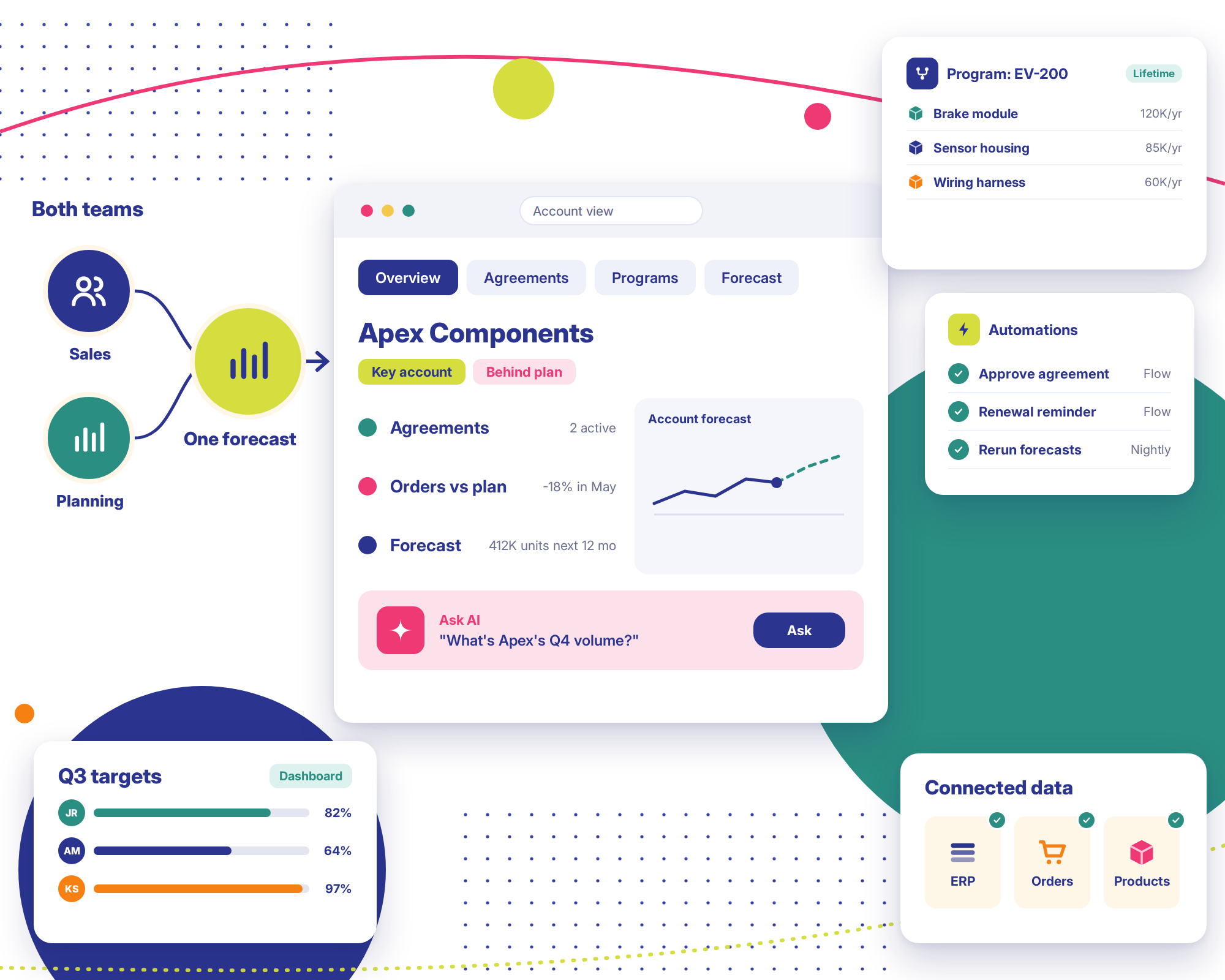
Sales and planning feeding one forecast for a key account: agreements, orders vs plan and an account forecast, a lifetime program with its products, Flow automations, Q3 targets dashboard, connected ERP, order and product data and an Ask AI prompt
  1. Sales Agreements and Long-Term Customer Commitments

    Think of a sales agreement as the customer's buying plan, split by product and month. Actual orders flow in against it. You can see who's ahead of plan and who's falling behind. Your next customer meeting gets a lot easier.
  2. Advanced Account Forecasting

    Account forecasts pull from orders, opportunities, and sales agreements. You set the rules for how they're calculated. Sales and operations end up looking at one set of volumes. Clean data makes the forecast better, so we check it early.

  3. Program-Based Business Management

    Some deals are really programs, like supplying one part across a product's whole life. Program-based business tracks that program and every product in it on one record. Its forecast is right there, too. If volumes shift, you'll see it.

  4. Account Manager Targets and Performance Tracking

    Each account manager gets a target, in revenue or units, for the month or quarter. Sales leaders see progress on a dashboard. Nobody chases a spreadsheet by email. Keep the measures your reviews already use.

  5. Customer Account and Commercial Performance Visibility

    Open an account and you'll find its agreements and orders next to the forecast. Prepping for a review? Recent changes are right there. Volume dips get noticed in time to call the customer and ask what's going on.

  6. Demand and Forecast Collaboration

    Sales can add to the forecast. So can planning. Maybe a rep hears that a customer plans to open a new line. That news can go straight into the numbers. Nobody waits weeks to hear about it.

  7. Workflow Automation and Sales Process Efficiency

    Approving an agreement or sending a renewal reminder? Salesforce Flow can do that part for you. Forecasts can also rerun on their own each night. We build these around your own business rules. Not everything in manufacturing can be automated with standard tools. We'll tell you what can.

  8. Connected Manufacturing Data and AI-Enabled Insights

    Connect your systems and Salesforce AI can spot shifts in an account. Need a quick number? Your team can just ask it. Agentforce features vary by license and edition. We confirm what you actually have before planning anything around it, so there are no surprises later.

Salesforce Manufacturing Cloud Services for Your Business

Our team handles Salesforce Manufacturing Cloud from the first planning call to life after launch. Take one service or several, depending on what you need right now.

  • 01 · Consulting

    Salesforce Manufacturing Cloud Consulting

    Our Salesforce Manufacturing Cloud consulting begins by looking at how you sell and forecast now. We dig into the CRM and ERP, plus the data in both. You walk away with a roadmap and clear first steps.

    Consulting Services
  • 02 · Implementation

    Salesforce Manufacturing Cloud Implementation

    Our Salesforce Manufacturing Cloud implementation sets up your accounts and sales agreements, along with forecasting rules. We build around your workflows. Users train on real scenarios before launch day, so go-live feels familiar.

    Implementation services
  • 03 · Customization

    Salesforce Manufacturing Cloud Customization

    Missing a field or an approval rule in the standard setup? We use configuration first. If we need custom code, you'll hear about it before we start.

  • 04 · Integration

    Salesforce Manufacturing Cloud Integration

    Salesforce Manufacturing Cloud integration links your ERP to Salesforce, and other tools, too. We map the data and set sync rules with your system owners. Failed syncs get logged and flagged right away.

    Integration services
  • 05 · Data migration

    Salesforce Manufacturing Cloud Data Migration

    Moving accounts and agreement data into Salesforce? We clean and map it first. Then we migrate in stages and match record counts with you. Expect a bit of old data to need rework.

  • 06 · Optimization & support

    Ongoing Optimization and Support

    Your business keeps changing after go-live, so we keep tuning agreement and forecast processes. Need a new report or a fix? We handle that, plus any upgrades you sign off on.

    Managed services

Ready to Improve Visibility Across Your Manufacturing Business?

Still tracking customer agreements in spreadsheets? Show us your current Salesforce setup. We'll tell you where the gaps are.

Salesforce Case Studies From the Field

Pick a cloud and see what we built, for whom, and what changed after go-live.

View All

Stack Intelligence Client Testimonials

Clients rate Stack Intelligence 5/5 on Salesforce AppExchange, and these four quotes came in after their projects wrapped.

Industries We Serve With Salesforce

Pricing and service work differently in each industry, so we design Salesforce around yours.

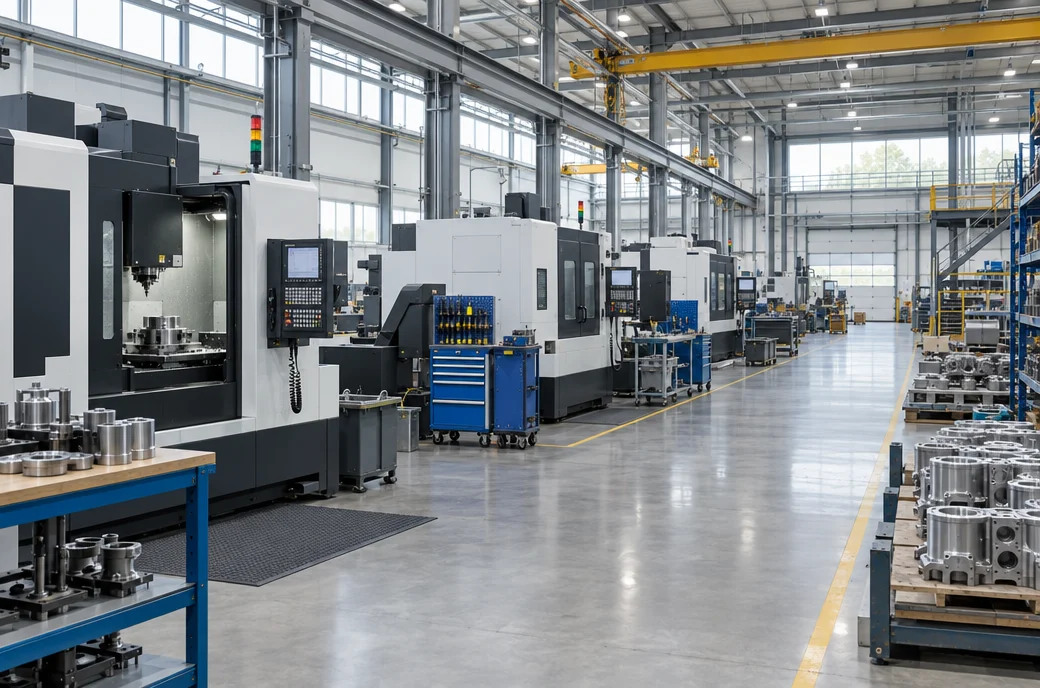
Advanced manufacturing plant

Manufacturing

Configurable products, dealer pricing, quoting and field service in one Salesforce org.

Read More
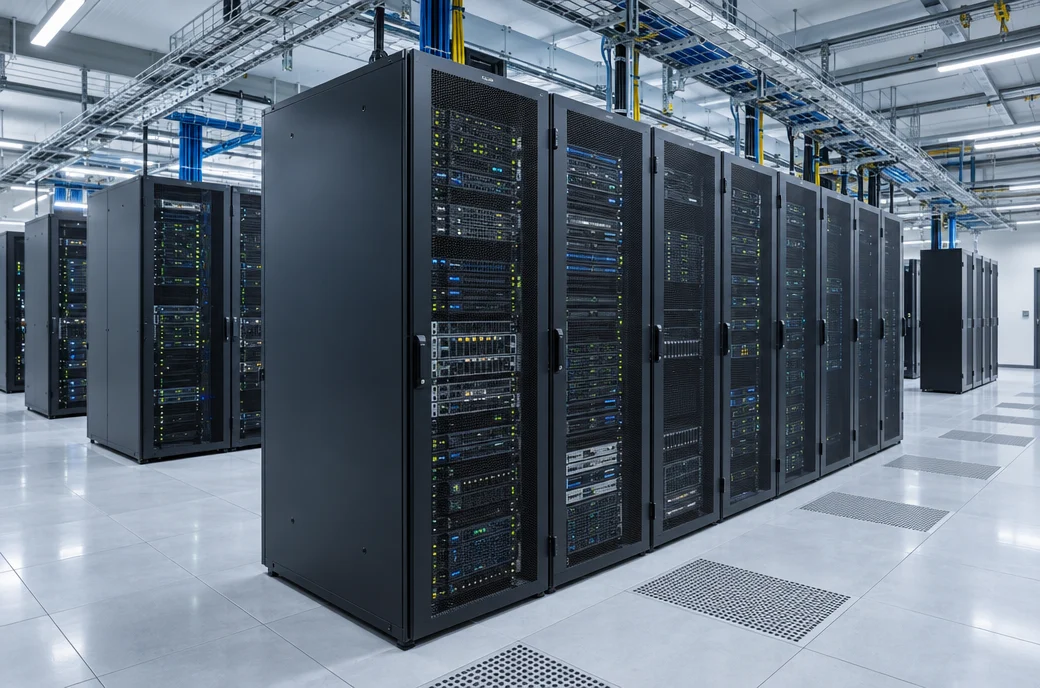
Enterprise data center

High Tech & Software

Subscription billing, partner programs and integrations that keep up as you grow.

Read More
Financial district architecture

Financial & Professional Services

We set up Salesforce so your team sees the whole story on one record.

Read More
Medical research laboratory

Healthcare & Life Sciences

Patient and customer portals, ordering and service workflows with secure data.

Read More
Online shopping cart with parcels

Retail & Consumer Services

When we're done, your staff can pull up any order, booking, or chat from one customer record.

Read More
Truck fleet at a depot

Automotive & Transportation

Stack Intelligence sets up Salesforce Automotive Cloud so carmakers, dealers, and fleets share one view.

Read More
Classroom desk with books and pencils

Education

Your institution probably runs on a dozen systems that rarely talk to each other.

Read More
Two construction workers in hard hats at a building site

Construction & Real Estate

If you sell homes, lease offices, or build them, you're tracking a lot of people at the same time.

Read More
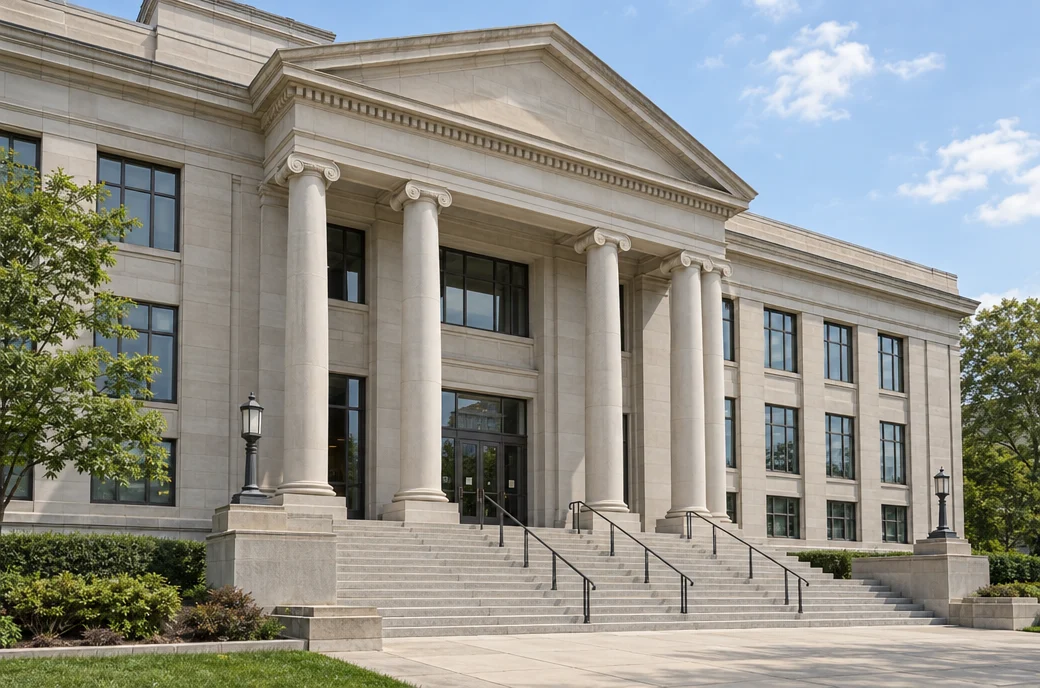
Public civic building

Public Sector

Experience Cloud portals and oversight workflows, plus ServiceNow work for federal and utility clients.

Read More

Looking for a Salesforce Manufacturing Cloud Implementation Partner?

Bring your agreement structure and a list of the systems your team uses. We'll show you how Manufacturing Cloud could fit around them.

Connect Salesforce Manufacturing Cloud With Your Business Systems

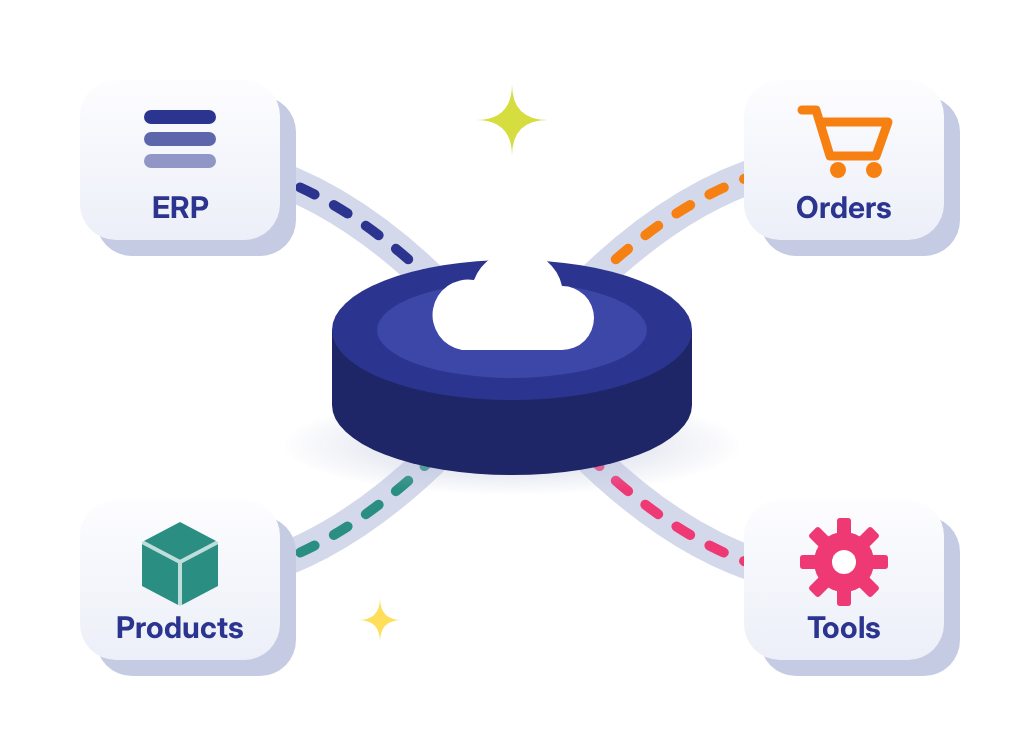
On its own, Salesforce Manufacturing Cloud only knows what your reps enter. Connect it to other systems and it knows a lot more. Here's what we usually hook up. Every connection is set up separately, and a few need extra licenses or development work.

  • Your ERP can send orders and prices into Salesforce, along with quantities. Now your team can check promised volumes against real orders. How often does it sync? That depends on the ERP and how current you need the numbers.

  • Invoice and revenue data from your finance system can sit next to agreement data. Then sales and finance work from one revenue number. We sit down with finance first to settle who owns each field and how often it updates.

  • Your demand or financial planning tool can pull forecasts straight from Manufacturing Cloud. Planners see what account teams expect without asking anyone for spreadsheets. You decide with us what gets shared and how often it updates.

  • Sales Cloud and Service Cloud can share account context with Manufacturing Cloud. For example, a service rep on a call might check where the account stands on its agreement. If that's worth doing for you depends on your Salesforce setup and licenses.

  • Send connected data to CRM Analytics or Tableau. Your existing BI tool works, too. Access rules keep sensitive numbers with the right people. With a sound data model, sales and finance reports add up to the same totals.

  • Anything else can link up through APIs or an integration platform such as MuleSoft. Which route we take comes down to your systems and how much data moves. Not every connection is native, so we flag any extra licenses or development during planning.

Our Salesforce Manufacturing Cloud Implementation Process

Get a tailored build plan

Our Salesforce Manufacturing Cloud implementation work runs in six steps. We set dates once we understand your requirements.

  1. Understand Your Manufacturing Business

    We meet your sales and operations people, plus finance, to see how deals and forecasts really work. Then we look at your agreement structures and the systems you use. Your team gets a written summary to check and approve.

  2. Define Requirements and Solution Architecture

    Next up: the data model and integration plan, worked out with your team. Scope and success measures go in writing, too. Nothing gets configured until your team has reviewed the design.

  3. Configure Manufacturing Cloud

    Accounts and sales agreements go in first. Forecasting rules follow. Workflows and reports come after that. We demo each piece with your team as we go. It's a lot cheaper to change things at this point.

  4. Integrate Systems and Prepare Data

    Here's where we hook up your ERP and other systems. Before any old data moves, we clean and map it. Record counts and totals get checked with you, line by line if needed. Your users shouldn't be the ones finding gaps.

  5. Test and Enable Teams

    We test calculations, agreement actuals, and forecast behavior using real business scenarios. User access gets checked, too. Then your team trains on their own accounts and data. By launch day, the screens already look familiar.

  6. Launch and Optimize

    We roll out the way we planned with you, then stick around for the first few weeks. Issues get fixed fast. After that, we look at user feedback with you and plan the next round of improvements based on what's working.

Why Choose Stack Intelligence for Salesforce Manufacturing Cloud Consulting?

We want your team using Salesforce Manufacturing Cloud every day, long after we're done. Here's how we work toward that.

Hire Salesforce Consultants
  1. 01. Built Around How You Sell

    Before touching Salesforce, we learn how you quote, sign agreements, and forecast. Who approves pricing? Who sets the volume numbers? Your answers drive the data model and every report after it.

    02. Salesforce and ERP Know-How Together

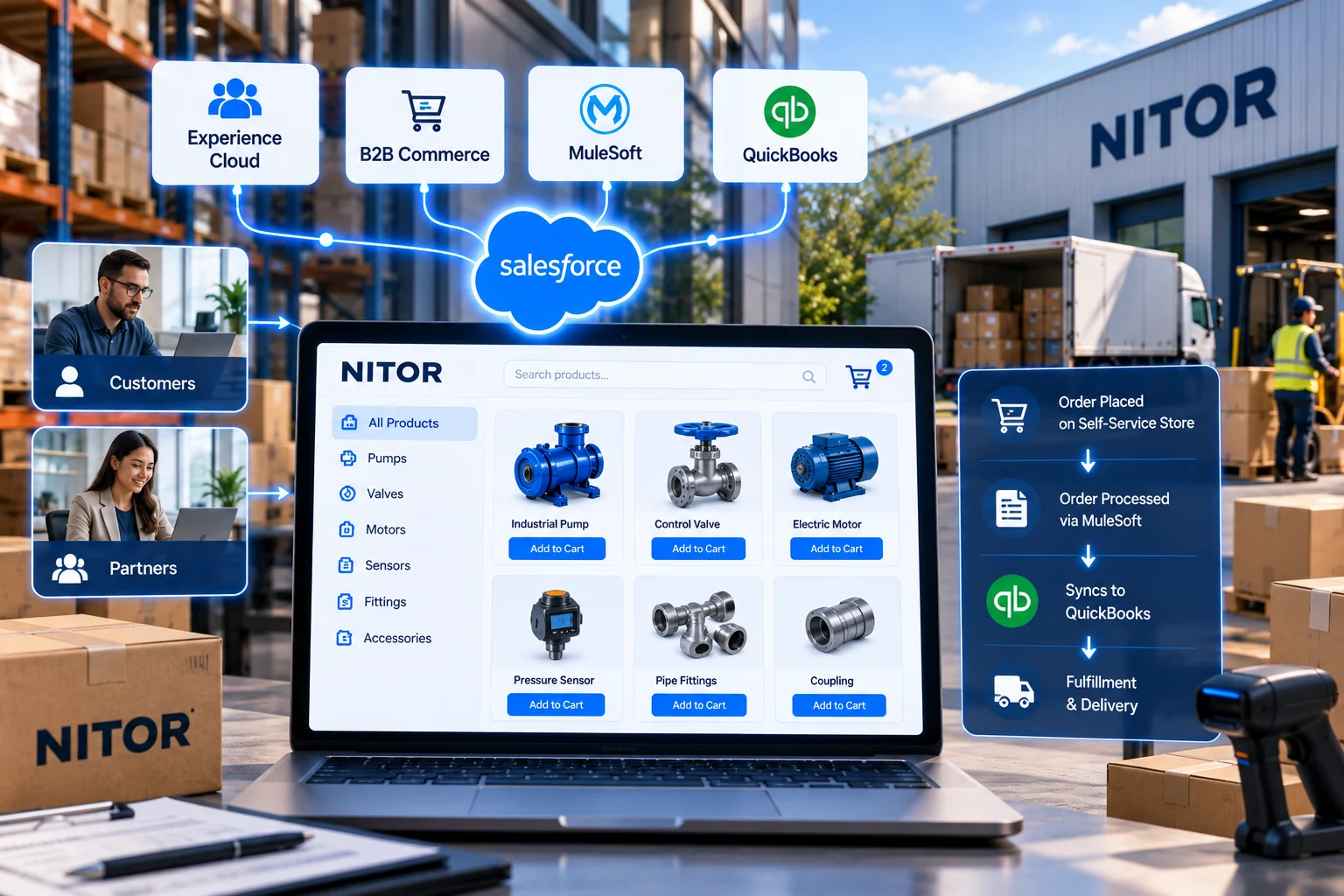
    We also build on Sales Cloud and Service Cloud, plus Commerce Cloud. In one project, we tied B2B Commerce and Experience Cloud to QuickBooks with MuleSoft. So we know what it takes to make Salesforce match your ERP and finance data.

  2. 03. Simple Setups for Complex Programs

    Manufacturing data can get messy quickly. We keep rules and integrations simple wherever your process lets us. Anything custom gets a short note explaining why it's there and what relies on it. That saves your admins a lot of digging later.

    04. Ready for Next Year's Changes

    New product lines and new customers will change how you work. We plan for that with clear naming and solid documentation. Your admins get trained, too. Your team can handle small changes without calling us.

  3. 05. Help That Continues Past Launch

    Once you're live, our managed services team takes care of fixes and new requests. Salesforce puts out three releases a year. We test each one against your org. How much help you get from us is up to you.

Frequently Asked Questions About Salesforce Manufacturing Cloud

Salesforce Manufacturing Cloud is a Salesforce product built for manufacturers' sales teams. It adds sales agreements and account forecasting to a standard CRM. Program tracking comes with it, too. Reps can compare customer commitments with real orders, and the forecast is on the same screen.

The main ones are sales agreements and advanced account forecasting. Program-based business and account manager targets are included, too. Sales agreements track planned and actual volumes. The forecasting side uses orders and opportunities as inputs, along with agreements. Features vary, so check your edition and license before planning a project.

It gathers your commercial data in one spot. Account teams can spot a gap between agreements and orders sooner. Operations and finance plan from the same volume numbers. Results vary with your data quality and how well the setup fits the way you work.

Salesforce Manufacturing Cloud services typically begin with consulting, followed by implementation. Customization and ERP integration come up often. Leaving spreadsheets or an old CRM behind? Then data migration is part of it. Support and optimization continue after launch. Hire us for a single piece or the full project.

We start by gathering requirements and designing the solution. Accounts and agreements get configured next, along with forecasting. Integrations and data migration come next. Before launch, we test real scenarios and train users. A Salesforce Manufacturing Cloud implementation usually goes live in stages, often one region first.

Yes. Most ERPs can be hooked up to Salesforce Manufacturing Cloud through APIs or MuleSoft. Orders and prices can move in both directions. Customer records, too. We pick the method once we know your ERP and how fresh the data has to be. Some connections need extra development or licenses.

Yes. With advanced account forecasting, your orders and open opportunities feed the forecast. Sales agreements do, too. You set the rules and pick the periods. If a customer says volumes are changing, the account team can tweak the numbers. We look at data quality early, since messy data drags forecasts down.

Yes. That's what sales agreements are for. Each one records planned quantities and revenue by product and period. Actual orders get tracked against the plan over time. Your team can spot a customer running behind well before the year ends, while there's still time to act.

Yes. Program-based business is made for long customer programs, say supplying a part for a product's entire run. The program and its products stay on one record as things change. Forecasts for each program sit alongside the account data. What's included varies with your license.

Sales Cloud is for everyday sales work, like leads and opportunities. Manufacturing Cloud sits on top of it and adds sales agreements and account forecasting. Lots of manufacturers run both. Not sure which licenses you need? We can work that out with you before the project starts.

That comes down to scope. Setting up basic agreements and forecasting for one business unit is quick. Rolling out across several plants with multiple ERP connections takes much longer. Data readiness and custom work affect timing, too. We give you real dates once discovery is done.

Usually, yes. Accounts and contacts can come over from spreadsheets or an old CRM, and agreement data can, too. A few old fields won't line up and have to be reworked. Cleaner source data makes the whole move easier. We agree on scope with you before anything moves.

After launch, Stack Intelligence provides ongoing support and managed services. That covers fixes and enhancements. Reports get updated as your needs change. Each Salesforce release gets checked against your setup. Some clients want a monthly block of hours. Others call us per project. We scope it around what your team handles in-house.

Ready to Connect Your Manufacturing Business With Salesforce?

Walk us through how your team sells and forecasts today. We'll help you work out the right Salesforce Manufacturing Cloud setup for your business.